Business Consulting and Advisory
A Startup Guide to Opening a Farm Business in Canada
December 4, 2025
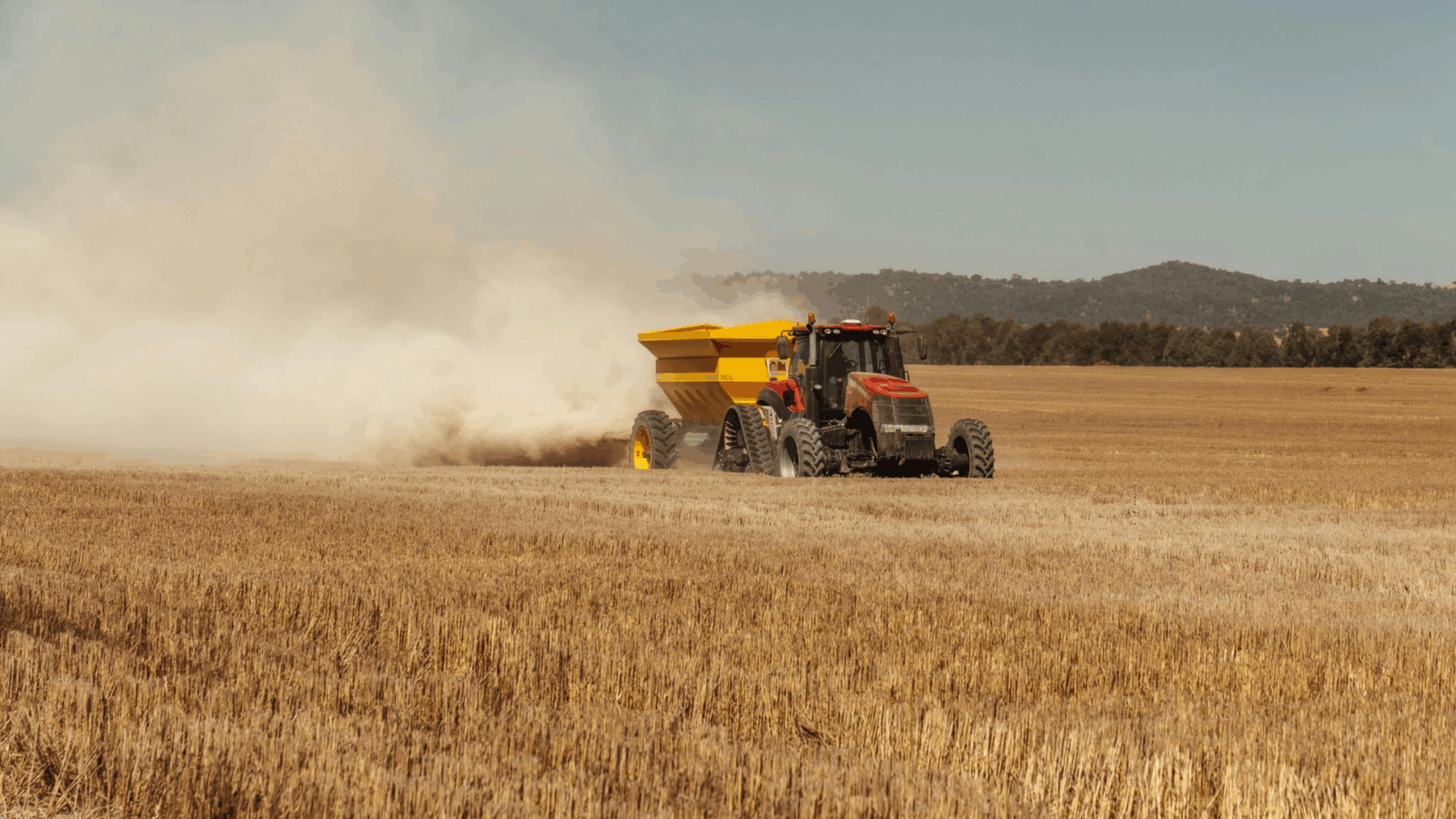
Farming as a way of life and farming as a career choice are witnessing a revival of sorts. The rising stress levels in urban areas have been tempting people who have long worked in the corporate world to start their lives anew in the serenity of nature. While the attraction of a simple, rustic life is terrific, at the end of the day, a farm business is also a business. And like every business, it too has its own set of requirements, both financial and agricultural, to live a comfortable farm life. This article is to help new farm business owners prepare for this new chapter.
Checklist for Opening a Farm Business in Canada
There are several things to take care of even before you sow the first seed. Let’s explore the essentials of establishing a farm business from the beginning.
Creating a Detailed Business Plan
Just like in the corporate world, a farm business begins with a detailed plan outlined on paper. It should include your vision for the farm, the crops you would like to grow, how you plan to sell them, what other products you can make from them, and more. It should also include strategic aspects of the business, such as market research to determine demand for your favoured crop, your competitors, and new potential markets. Furthermore, you should include operational details such as the farming methods you plan to use, the number of farmhands you need, the pay for each employee, the cost of starting a farm, any monetary risks involved, and the financial resources you can tap, prioritized as needed, such as banks and government grants.
Conduct Market Research for Farm Products
Before zeroing in on a crop to cultivate on your farm, it is essential to check whether there is demand for it. Agricultural preferences change every few miles, making it vital to identify what consumers in your area want. An in-depth market survey is also necessary to understand the pricing and packaging expectations in each market.
By visiting the local farmers’ markets, communicating with food retailers or restaurants about their requirements, and checking for demand for value-added products such as artisanal cheeses or preserves, you can expand the scope of your farm business and price your products as per local benchmarks.
Determine Business Structure and Register Farm Business
A farm business can be registered as a sole proprietorship, partnership, corporation, nonprofit, or cooperative business. Registering your farm business opens a vista of federal and provincial grants and agricultural programs that can prove to be beneficial for you. If eligible, these programs can help you get many tax benefits as well as other financial aid and asset protection under various government schemes for farmers. It is best to consult a financial advisor to determine the ideal business structure for you.
Search For a Suitable Land for Farming
With a mission, vision, and game plan in mind, you can now look for the land that best suits your business ideas and interests. When choosing farmland, you must consider many critical factors, such as soil quality and fertility, available water resources for year-round irrigation, seasonal and weather patterns, and grazing land for any cattle or other animals you might rear for farming purposes.
Apart from this, you also need to check how close the local markets are to your farm and if any transportation facilities are available. The closer the farm is to the primary market, the less you spend on logistics and the fresher the produce you sell to the consumer.
Most importantly, check that all land documents are in order. Also, check the details of the land’s measurements, its history, previous ownership, zoning, legal status, and more before signing on the dotted line. Once you are sure everything is in order, it’s time to explore your financial options.
Look For Farm Financing Options and Secure Permits
Buying farmland, especially one with excellent soil quality and proximity to markets, can be expensive. Remember, buying the land is just the beginning. You still have many expenses before you can start generating revenue. Hence, it is essential to understand and explore all financial options before spending all your life’s savings to buy the land.
Several banks offer attractive, affordable loans to farmers for purchasing land and equipment. Local credit unions, angel investors, community financing, and even government authorities encourage farming by providing loans and grants at lower interest rates. To avail yourselves of such financial support, you need to prepare a detailed budget and business plan to present to potential lenders.
You also need to make sure you have all necessary legal permits and licenses, including a zoning permit, environmental compliance for sustainable farming, a safety license for employee protection, and a health license for safe food products. A financial advisor with specialized knowledge about the farm business can be your best guide on how to obtain all these critical documents in the proper legal way.
Invest in Farm Equipment, Infrastructure
To get the most out of your farm, you need the right tools for every step of farming, from plowing, sowing, irrigating, to harvesting, cleaning, and packaging. Moreover, you need properly ventilated or temperature-controlled storage areas to store your produce. Such infrastructure and equipment need significant investment.
You can probably start by leasing heavy equipment, such as tractors or seeders, to reduce costs in the initial years. As and when your farm business begins showing signs of growing, you can invest in equipment of your own. You will also have to invest in good bookkeeping, accounting, and inventory management software to keep track of all the money matters of your farm business.
Get the Right Insurance
Agriculture is a high-risk business. From extreme climate changes (floods or droughts) to natural disasters (typhoons, insect infestation) to volatile market swings and geopolitical issues, anything can have a profound impact on your farm, its yield, and your income. Thus, farm businesses must be insured against all types of calamities and risks. Crop insurance and livestock insurance are the most important. You can also invest in workers’ compensation insurance for any farmhands you employ in the business. Insurance policies and laws may vary from province to province. Thus, it makes economic sense to hire a business consultant to guide you on buying the right insurance.
Practice Financial Management from Day 1
Unlike corporate jobs, farming involves heavy physical labour. At the same time, as the business owner, you also have to make time for research, marketing, and growth activities. Such considerable hands-on work leaves little time for important but underrated tasks such as bookkeeping and financial management. Even in the corporate world, such tasks are often put on the back burner, only to become the source of panic as tax season approaches. To avoid the same panic and always have a clear idea of where your farm finances stand, it is best to start keeping thorough records from Day 1. Making it a habit to keep detailed records of purchases, sales, inventory, payroll, operating costs, logistics costs, property taxes, and other financial information. It will help you in the long run as your farm business expands.
While the business part is important, so is the agricultural front. Farming practices and technology are fast-evolving, and you need to stay abreast of the latest in farm management, seed sourcing, fertilizer, and pesticide. By joining the local agricultural community, attending seminars or government programs for farmers, and using digital resources to learn more about farming, you can help your farm business thrive and expand beyond local markets.
Contact DNTW Toronto LLP in the GTA to Help You Set Up a Farm Business
Talk to a business consultant to help you through your journey from fork to farm. An advisor is well-versed in financing options, legal permits, and government grants and can help you tap into them. To learn more about how DNTW Toronto LLP can provide you with the best accounting and business consulting expertise, reach out to us here.